Great Migration
The Great Wildebeest Migration
Each year, roughly 1.5 million wildebeest, hundreds of thousands of zebra and accompanying gazelles move through the Serengeti–Mara ecosystem in search of fresh grazing and water.
The route is continuous, not a single event. Rainfall and grass growth decide where the densest herds gather — so calendars describe typical patterns, not fixed dates.
We never guarantee river crossings, predator action or exact herd locations on a given date. We place camps for the strongest seasonal probabilities and speak plainly when your dates sit outside peak windows.
Quick facts
Scale
About 1.5 million wildebeest form the core of the migration, joined by large zebra herds and other grazers.
Ecosystem
The cycle links southern Serengeti plains, central and western corridors, northern Serengeti and Kenya’s Mara ecosystem.
Driver
Rainfall and new grass — not a fixed timetable — determine pace, direction and river-crossing behaviour.
How the Great Migration works
The migration is a year-round loop. Calves are typically born on the short-grass plains of the southern Serengeti and Ndutu region early in the year. As rains and grazing shift, columns move through central Serengeti and often into the Western Corridor before pressing north.
In the northern Serengeti and Mara, herds may cross the Mara River when grazing and water levels align. Later, short rains generally draw animals south again. Any month-by-month guide is a planning tool — herds can pause, reverse or use different crossing points.
When and where to see it
Use this seasonal guide as a planning map. Nature does not follow a fixed timetable — rainfall can advance, delay or redirect the herds.
December – March
Southern Serengeti & Ndutu
Herds typically concentrate on southern short-grass plains. Calving often peaks around February, bringing predator attention. Conditions still depend on rainfall and grazing quality.
April – May
Central movement & long rains
As the long rains settle in, herds generally push north and west. Columns can be dispersed; roads may be softer. This can be quieter and green, with different photographic mood.
May – July
Western Corridor & Grumeti
Many years see herds use the Western Corridor, with possible Grumeti River activity. Timing varies widely — treat crossings as possible, not scheduled.
July – October
Northern Serengeti & Mara ecosystem
Herds often reach northern Serengeti and Kenya’s Mara. Mara River crossings may occur across this window, but not every day and not always at the same ford.
October – November
Return south
Short rains generally encourage southward movement through northern and central Serengeti. Transition weeks can feel unpredictable — and rewarding when herds are still dense.
Calving season
On the southern plains, tens of thousands of calves are typically born over a short window. Predators follow. It is dramatic — and weather-dependent. We plan Ndutu or southern Serengeti stays when your dates align with this phase, and we say so clearly when they do not.
Western Corridor & Grumeti
The Western Corridor offers a different migration chapter: riverine woodland, the Grumeti, and often fewer vehicles than the northern river drama. Crossings here can be smaller and more scattered.
Northern Serengeti
Northern Serengeti camps near the Mara River put you in position for possible crossings while still offering excellent general game when herds are elsewhere. Flexible night placement matters more than a single “crossing day”.
Mara River crossings
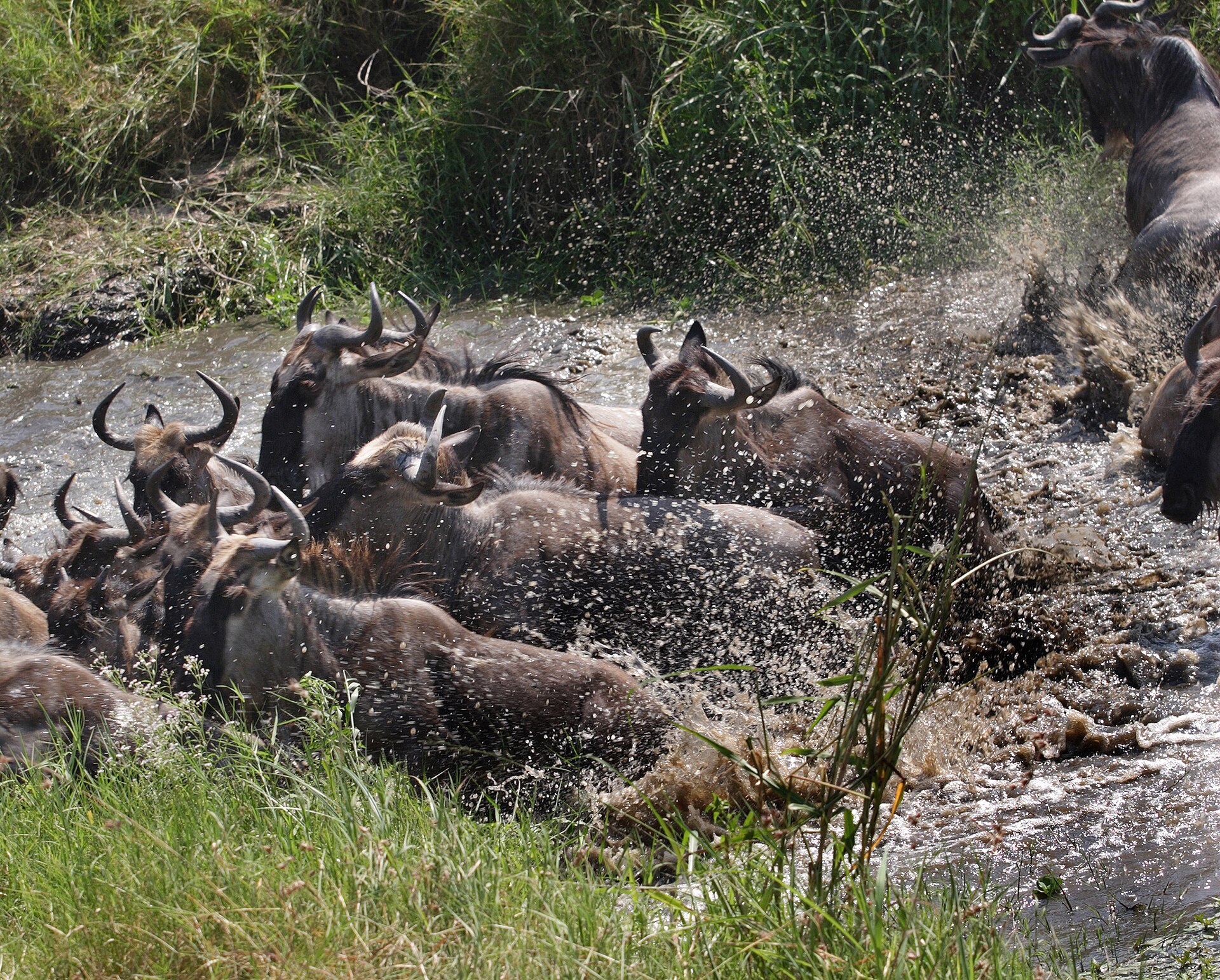
River crossings happen when herds decide conditions are right — water levels, crocodile density, leading animals and grazing on the far bank all play a role. They can occur at dawn, midday or not at all for days. We plan enough nights in the right region to improve your odds without promising a spectacle.
Best time for different experiences
- For calving focus: typically late January into March in the south.
- For possible Mara River crossings: typically part of July through October in the north.
- For greener, quieter travel: April–May can be excellent if you accept rain risk.
- Always confirm current herd reports closer to travel — rainfall shifts the map.
Where to stay
Published Shishi stays that can support Tanzania or Kenya safari chapters. Lodge placement for migration dates is confirmed case by case.
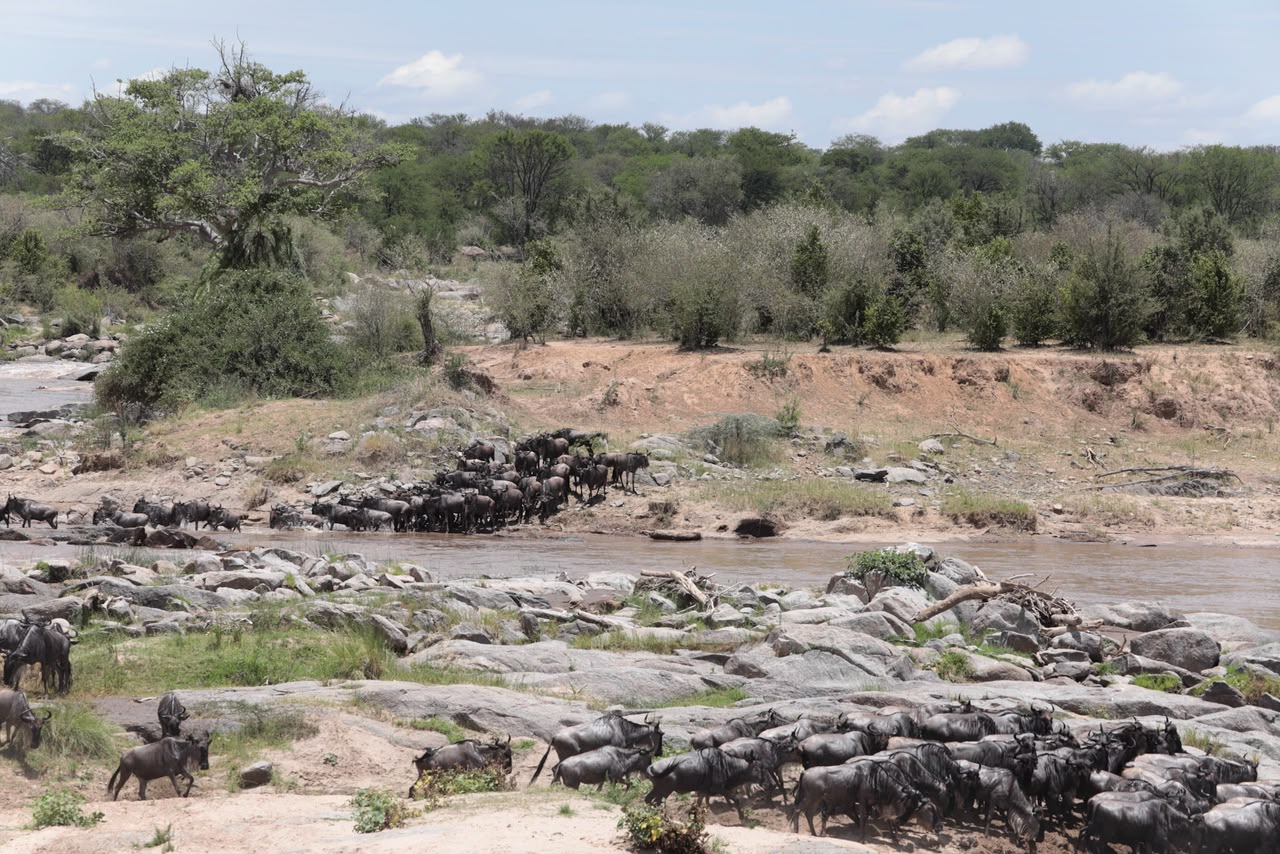
Tanzania · camp
&Beyond Grumeti Serengeti Tented Camp
&Beyond Grumeti Serengeti Tented Camp is a mobile-style tented camp in the western corridor of Serengeti National Park,...
View stay
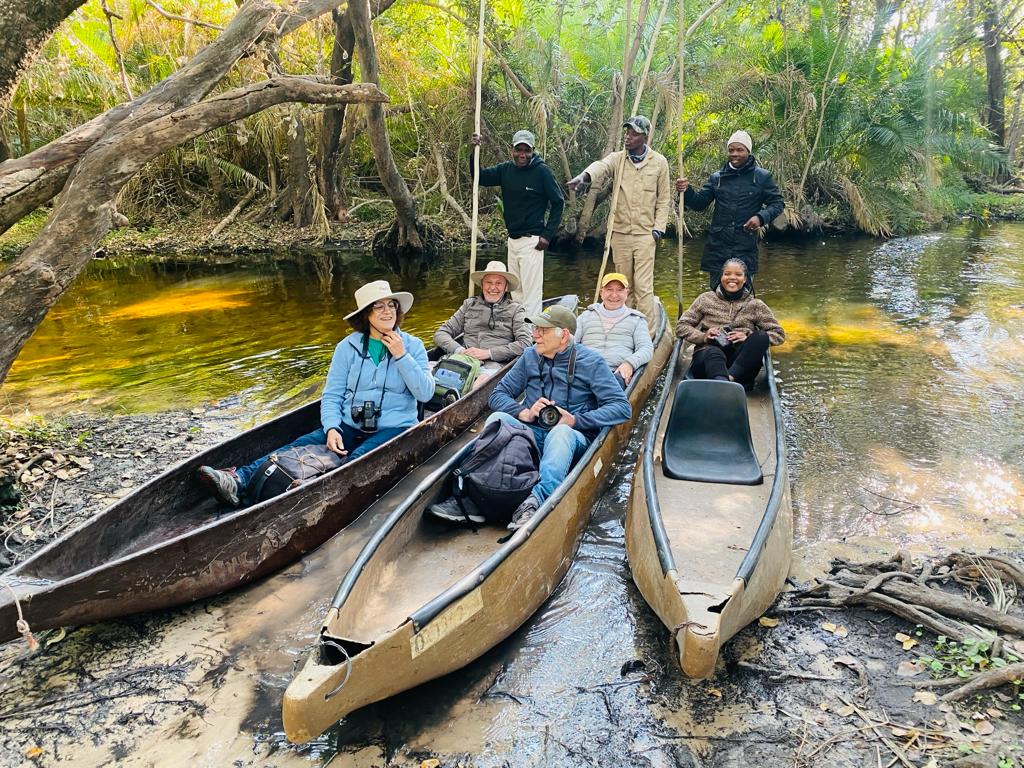
Botswana · lodge
&Beyond Sandibe Okavango Safari Lodge
&Beyond Sandibe Okavango Safari Lodge stands in a private concession beside the Moremi Game Reserve, under a canopy of t...
View stay
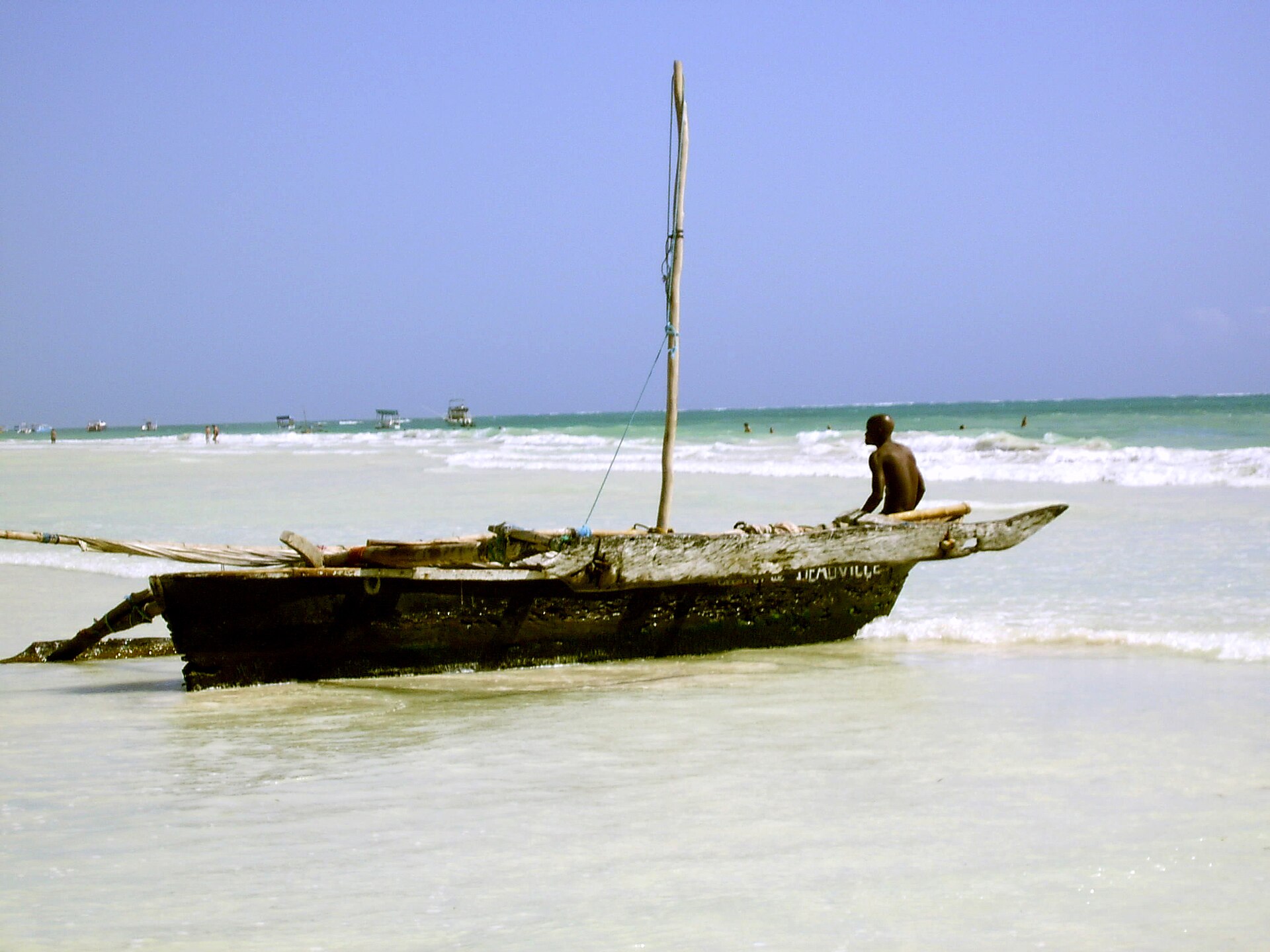
Kenya · villa
Alfajiri Villas
Alfajiri Villas is a small collection of private villas on Diani Beach, south of Mombasa. Each villa has its own staff a...
View stay
Practical planning
- Allow enough nights in one migration region rather than racing the map.
- Internal flights often save hard road days in peak season.
- Pack layers: mornings are cool; afternoons warm; river areas can be windy.
- Families and first-time safari guests do well with private guiding and honest pacing.
FAQ
What is the Great Migration?
It is the continuous movement of wildebeest, zebra and other grazers around the Serengeti–Mara ecosystem, driven by rainfall and fresh grass.
When is the best time to see it?
It depends what you want: calving in the south early in the year, or northern river drama later. There is no single best month for every traveller.
When is calving season?
Calving is typically associated with January–March on the southern Serengeti and Ndutu plains, often peaking around February — subject to rainfall.
When do river crossings happen?
Mara River crossings are most often associated with July–October, but they are irregular. Grumeti activity may occur earlier in the Western Corridor.
Can sightings be guaranteed?
No. Wildlife and crossings cannot be guaranteed. We plan for strong probabilities and communicate uncertainty clearly.
Serengeti or Masai Mara?
Both belong to one ecosystem. Date and herd location decide which side makes more sense — sometimes a Tanzania-only or Kenya-only plan is cleaner.
How many days should I plan?
For a focused migration chapter, several nights in one well-chosen region usually beats a rushed circuit. We tailor length to your dates and interests.


 Journal
Travelling to Tanzania? New Mandatory Travel Insurance Starts 1 October 2026
Journal
Travelling to Tanzania? New Mandatory Travel Insurance Starts 1 October 2026
 Journal
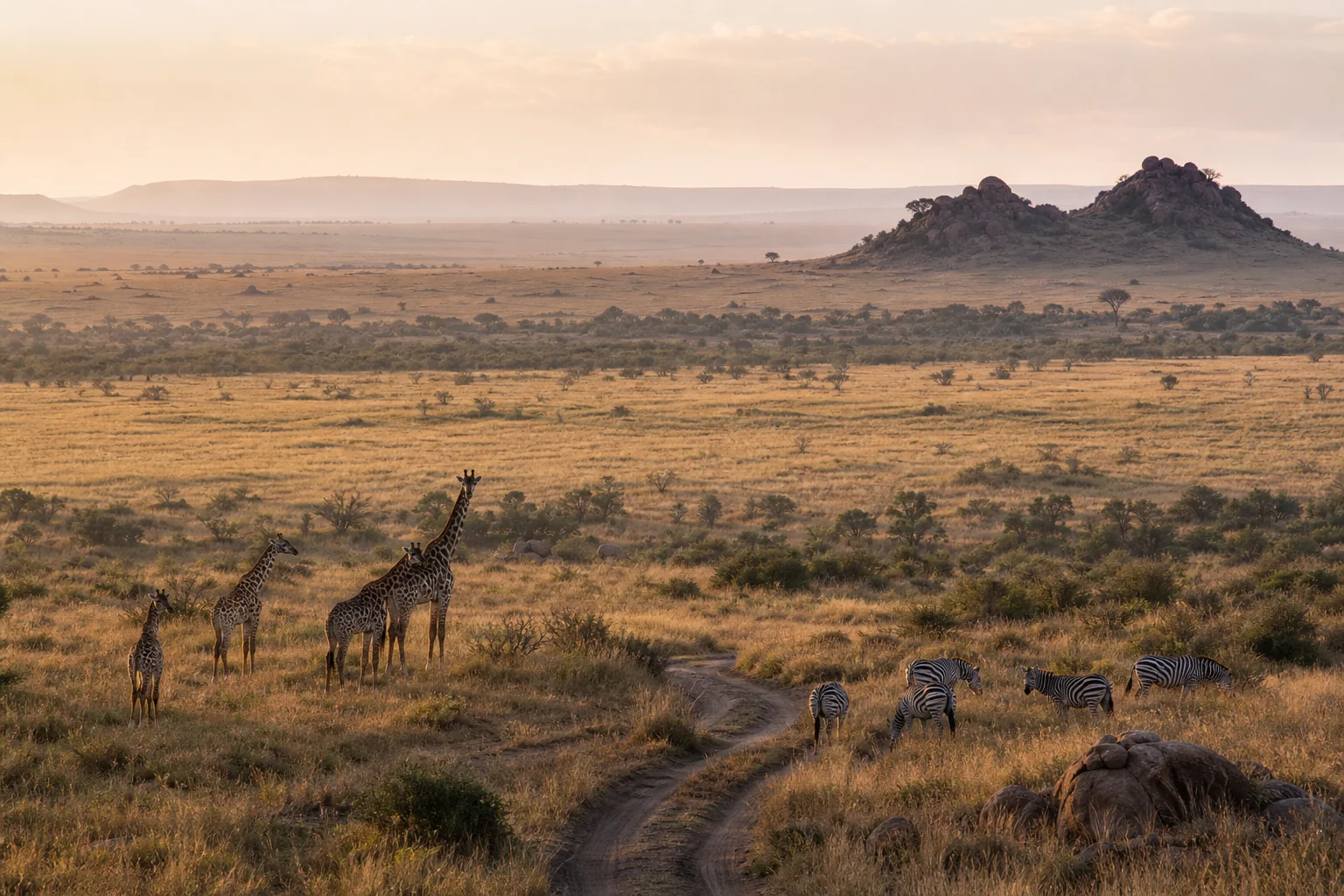
Tanzania journal: Serengeti and crater rhythm
Journal
Tanzania journal: Serengeti and crater rhythm
 Journal
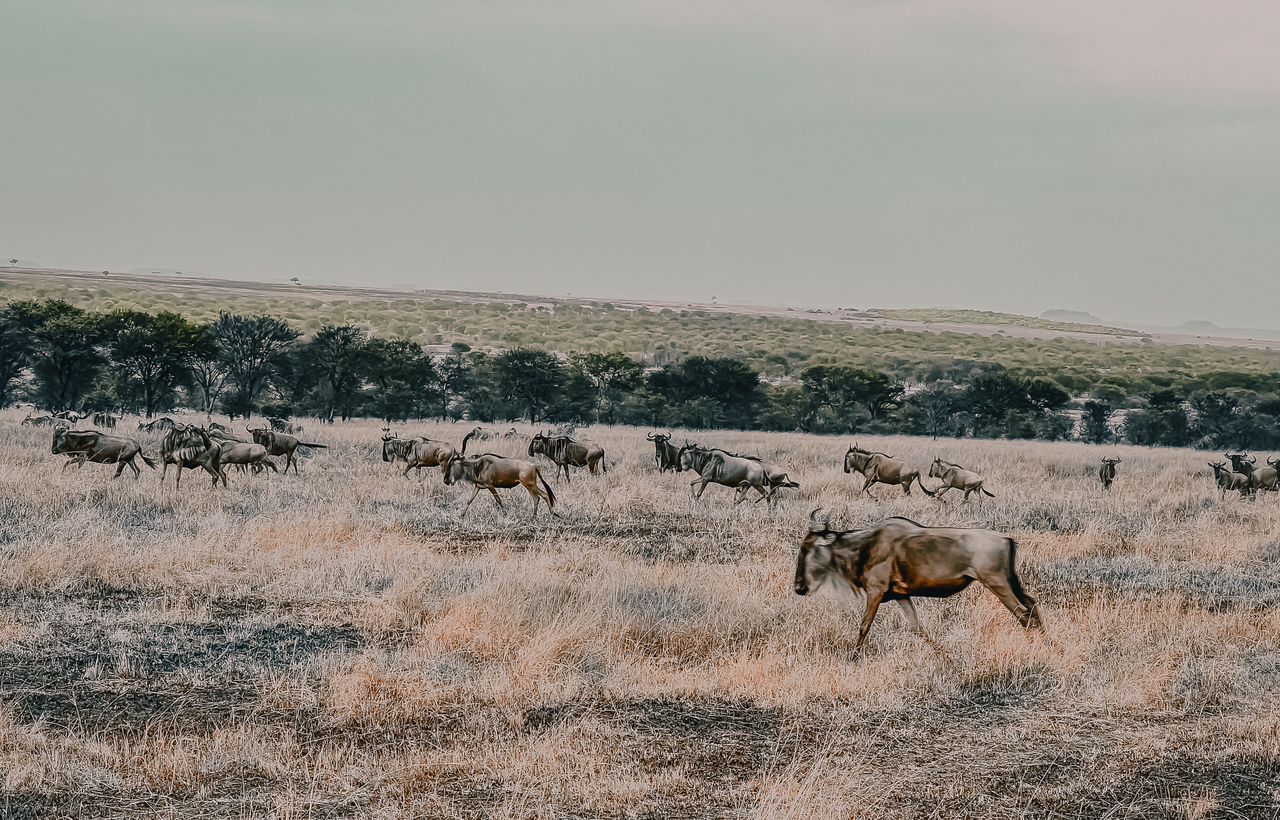
Following the Serengeti: how we time a Tanzania migration safari
Journal
Following the Serengeti: how we time a Tanzania migration safari
 Accommodation
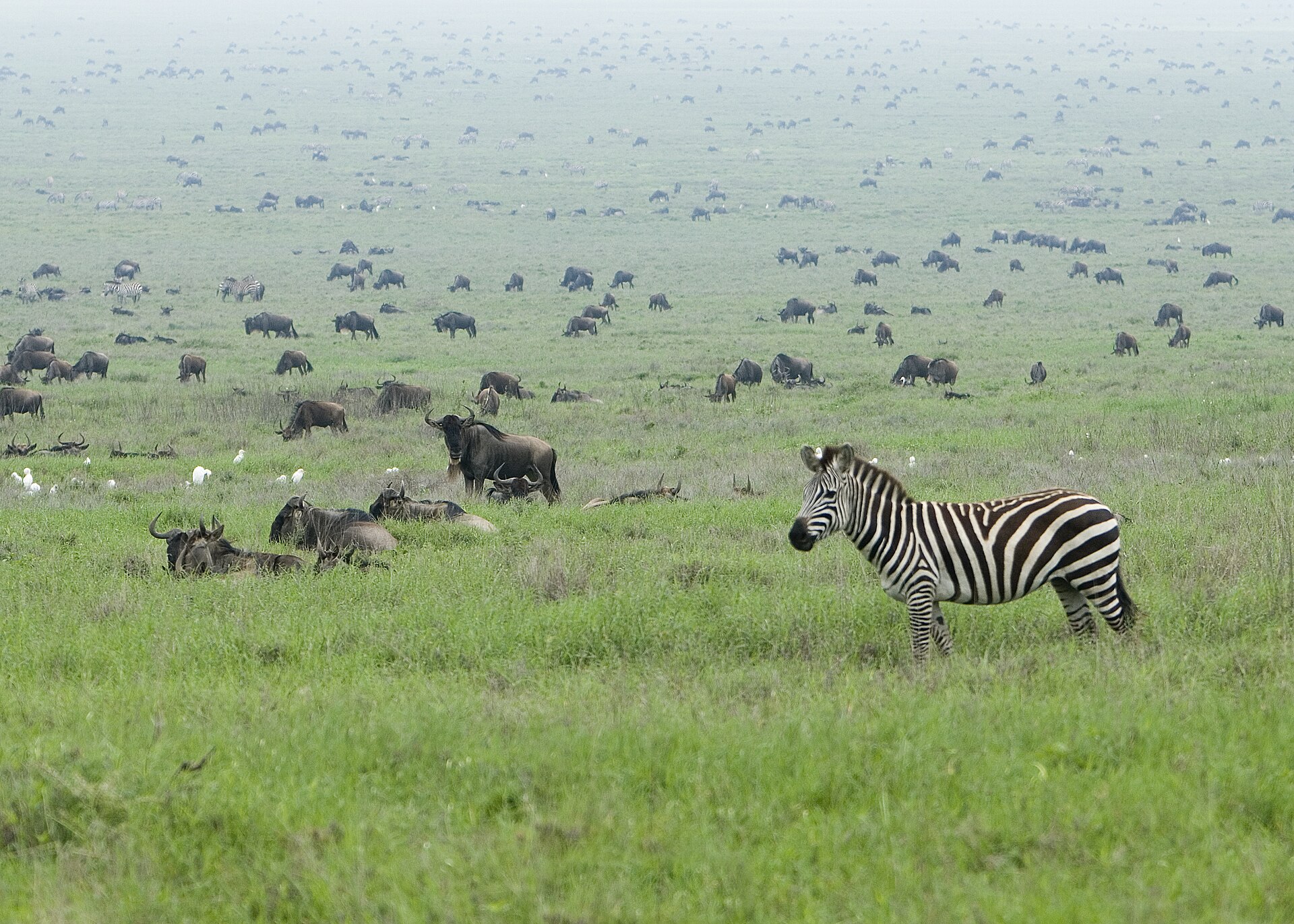
Serengeti Serena Safari Lodge
Accommodation
Serengeti Serena Safari Lodge
 Accommodation
Four Seasons Safari Lodge Serengeti
Accommodation
Four Seasons Safari Lodge Serengeti
 Activity
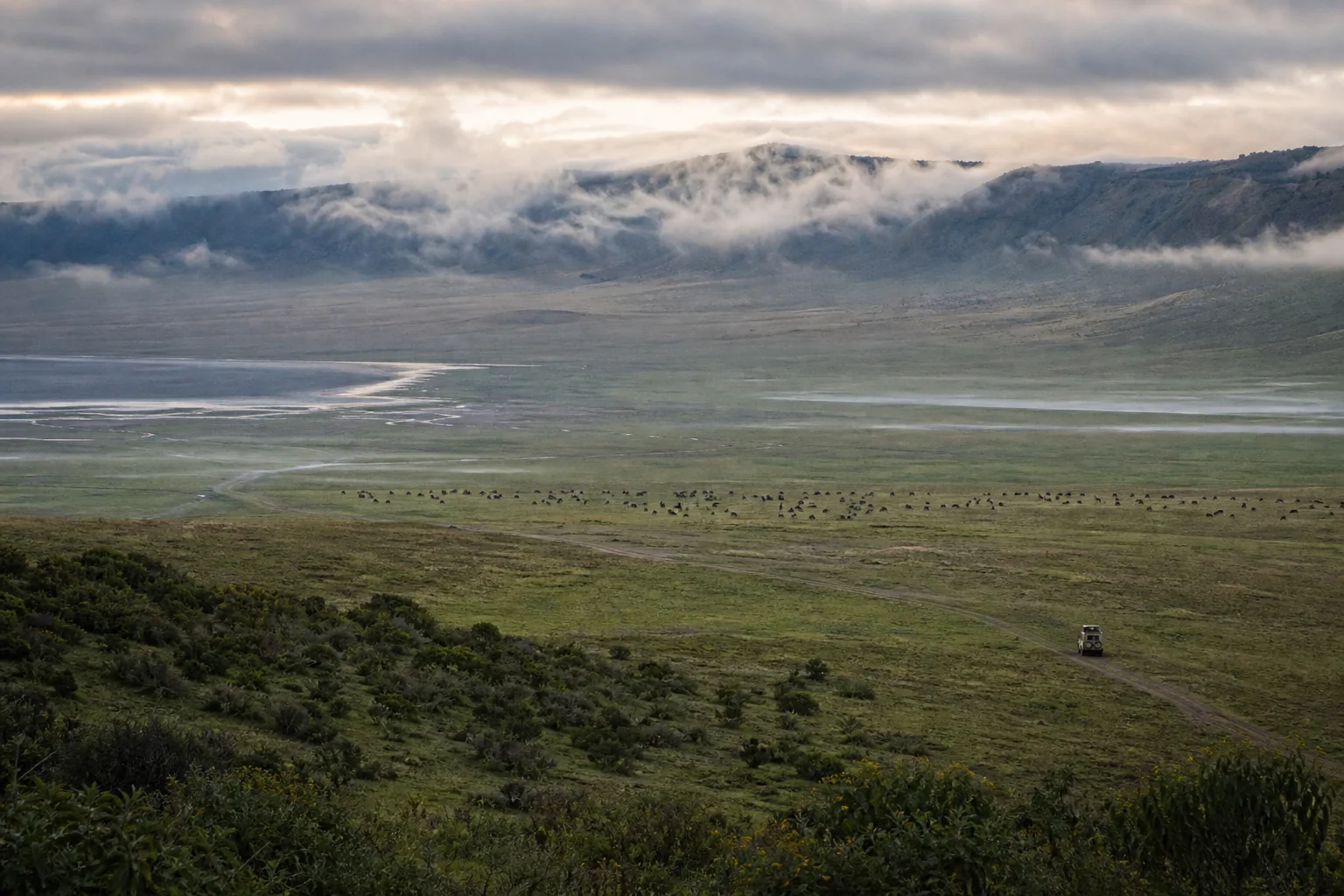
Ngorongoro Crater Game Drive
Activity
Ngorongoro Crater Game Drive